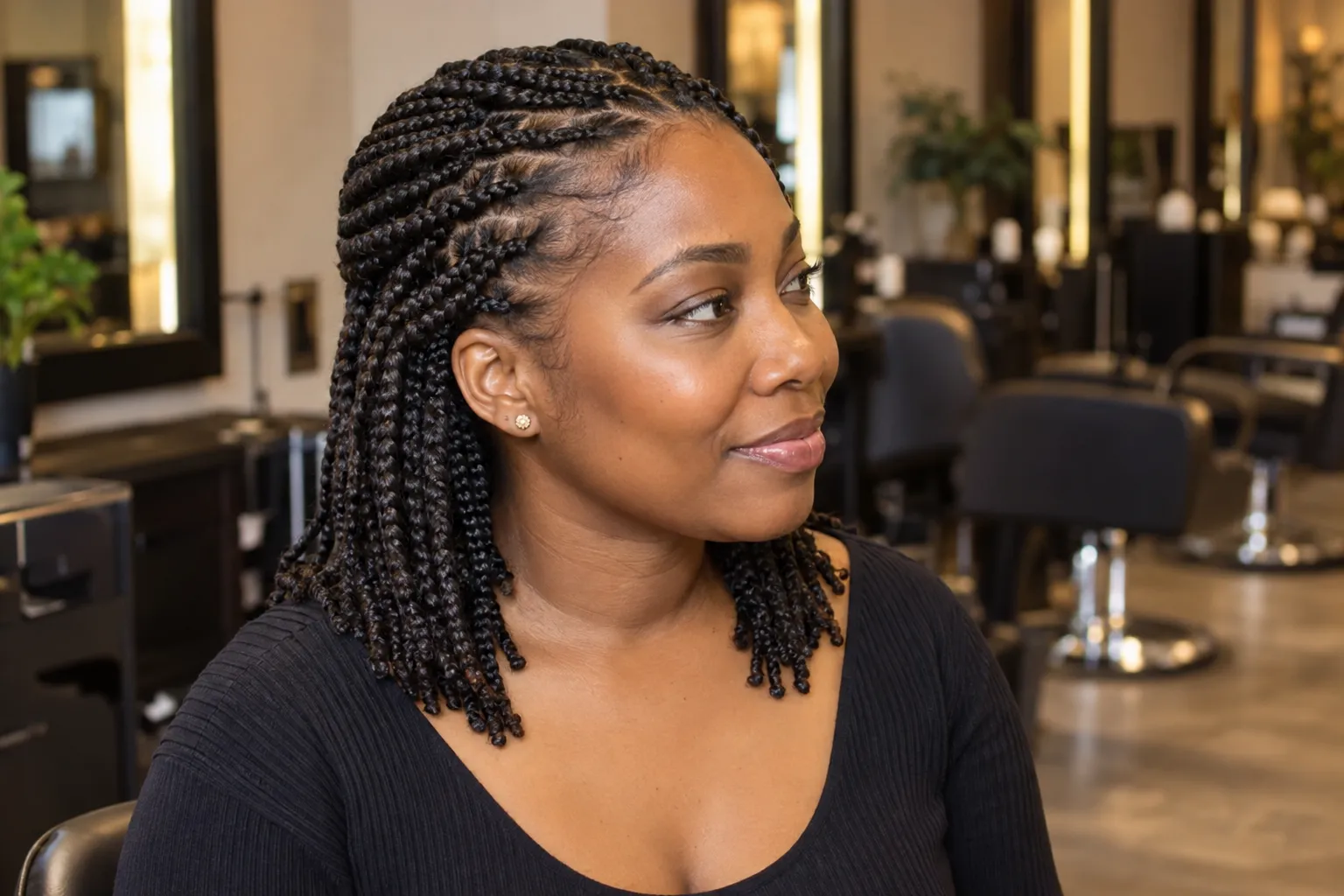
How to Care for Your Braids: Keep Them Fresh Without Damaging Your Hair
Braids make everyday styling effortless, but wearing a protective style doesn't mean ignoring your natural hair until your next appointment. Keeping your braids looking fresh and feeling comfortable isn't about loading up on heavy products—it's about caring for your scalp, avoiding excessive tension, and drying thoroughly after every wash.
At Bellezafro, we believe a great style should feel comfortable from day one. Here is a practical, healthy guide to maintaining your braids at home, recognizing when they need attention, and protecting your hair every step of the way.
Before You Braid: Smart Prep Makes All the Difference
Arriving with well-prepped hair helps your stylist work efficiently without unnecessary manipulation. First, check with your salon whether your booking includes a wash and detangle so you don't double up on work or arrive with products that interfere with gripping the hair.
Your pre-appointment checklist:
- A clean scalp: free from heavy oils, edge controls, or dry shampoo buildup.
- Conditioned and thoroughly detangled hair: worked through in sections from ends to roots.
- A calm scalp: if you have any irritation, sores, or tenderness, let your stylist know beforehand.
- Realistic length and density: braids that are too long or dense can put unwanted strain on your edges and neck.
- A schedule you can maintain: choose a style you have the time to wash and dry properly.
During your appointment, speak up right away if you feel sharp pain or too much pulling. Never wait until you get home to mention discomfort.
The First Few Days: Comfort Comes First
A neat finish should never rely on painful tightness. If your braids throb, pull when you turn your head, or cause tiny bumps along your hairline, reach out to your stylist right away. You should never have to "suffer through" the first few days or mask tension headaches with painkillers.
For the first week, wear your braids down or in loose, low styles. Avoid high, tight ponytails, bulky buns, or tight headbands that tug on delicate roots. Keep a close eye on your temples and nape—these areas are especially delicate and prone to tension damage.
How to Wash Your Braids Without the Hassle
Yes, you can—and should—wash your braids. How often depends on your workout routine, product use, and scalp needs. As a general guide, evaluate your scalp every one to two weeks, washing sooner if you notice sweat, flaking, or product residue.
- Thoroughly wet your scalp and braids with lukewarm water.
- Dilute a small amount of sulfate-free shampoo or apply directly along your parts.
- Gently massage your scalp using the pads of your fingers, never your nails.
- Let the suds rinse down the length of the braids without rubbing them together.
- Rinse thoroughly until the water runs clear and no suds remain.
- Squeeze excess water out gently with a microfiber towel, pressing rather than twisting.
Always allow ample time for your braids to dry completely, right down to the natural hair tucked inside the roots. If using a blow dryer, stick to a cool or warm setting and keep it moving. Never go to bed with damp braids or bundle them wet into a tight bun, as trapped moisture can lead to sour smells and scalp issues.
Moisture: Lightweight and Targeted
You do not need to drench your braids in heavy creams daily. If your hair feels dry, mist lightly with a leave-in spray or braid moisturizer designed for protective styles. Focus on your scalp and exposed natural hair rather than saturating synthetic extensions.
Oils can help seal in hydration, but they do not moisturize on their own. Daily oiling often leads to dirt sticking to your parts and creating a sticky paste. Use lightweight oils sparingly—only when your scalp feels dry—and skip them entirely if you notice greasy buildup.
For an effective, budget-friendly routine, keep it simple: a clarifying shampoo, a hydrating mist, and proper sleep protection. Skip harsh DIY mixtures like vinegar, lemon juice, or undiluted essential oils, which can irritate an already sensitive scalp.
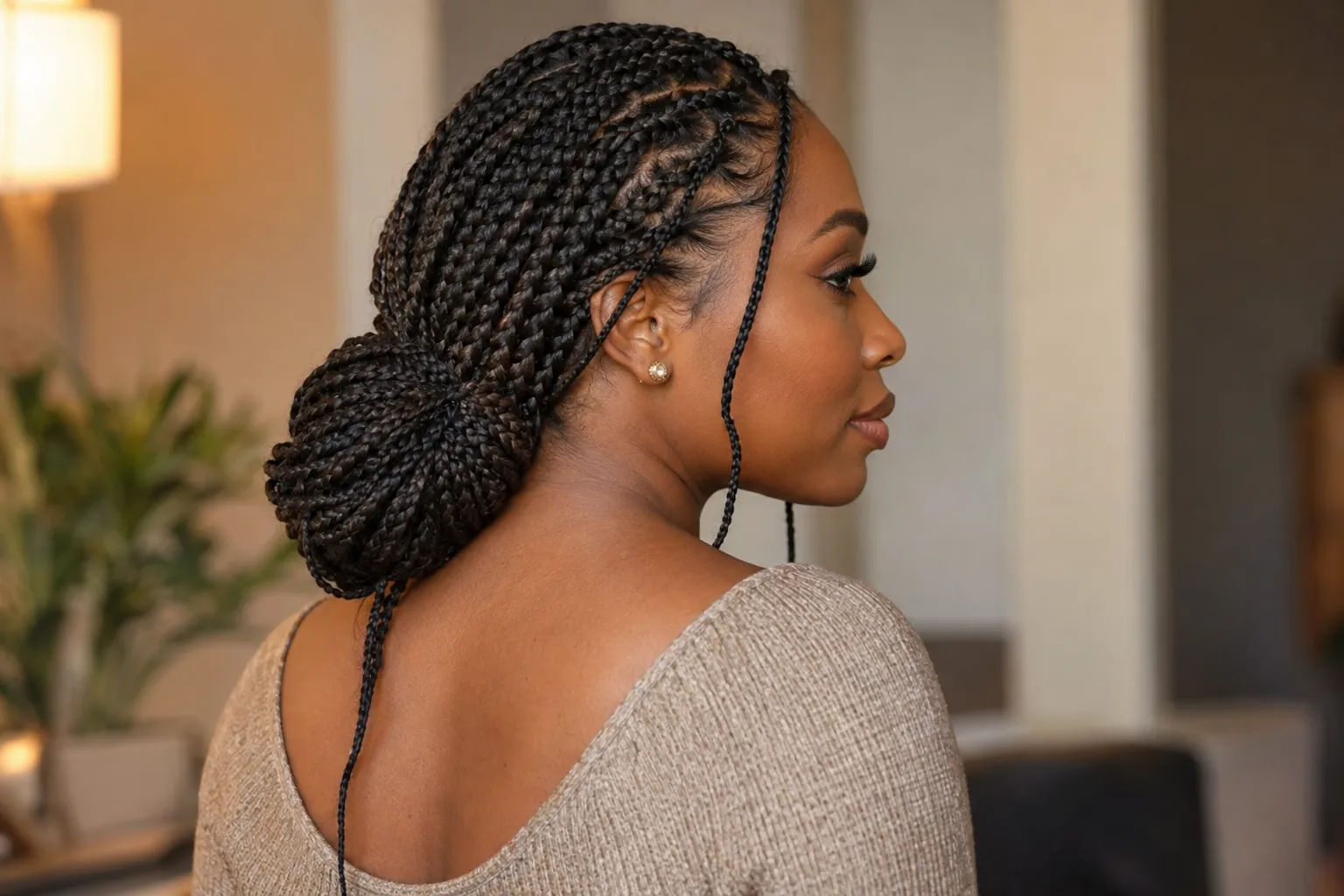
At Night: Friction-Free Protection
A satin bonnet or silk scarf reduces friction while you sleep, preventing frizz and keeping moisture where it belongs. Make sure your bonnet band sits comfortably on your forehead without pressing tightly into your hairline. A satin pillowcase is an excellent alternative if head coverings tend to slip off.
Gather your braids loosely or drape them gently behind your shoulders before tucking them in. Avoid tight elastics that create permanent bends in your extensions. Wash your bonnet or scarf regularly—sleeping in a wrap covered in old product defeats the purpose of keeping your style clean.
A Simple Weekly Maintenance Schedule
You do not need hours in front of the mirror each morning. This quick routine keeps your braids in top shape with minimal effort:
- Daily: Check for comfort and keep daytime styling loose and tension-free.
- As needed: Lightly mist with hydration only when your hair or scalp feels dry.
- Weekly: Inspect your parts, roots, and edges for lint, buildup, or loosening braids.
- Post-workout: Allow your scalp to air-dry completely; rinse or wash if sweat accumulates.
- Wash day: Cleanse gently and dedicate sufficient time to dry roots thoroughly.
A small amount of flyaways and new growth is completely normal. Don't drown your hairline in heavy edge control just to keep it looking fresh out of the chair.
When to Refresh and When to Take Them Down
There is no single expiration date for braids. Longevity depends on braid size, hair texture, growth rate, and daily care. Set a tentative takedown timeframe with your stylist, but listen to your scalp instead of pushing through discomfort just to hit a calendar date.
Book a touch-up or removal if individual braids start slipping, feel overly heavy on thin sections of hair, or pull on tiny anchor strands. Trying to disguise weeks of new growth with heavy pomades only leads to stubborn matting at the roots.
If you notice persistent tenderness, small red bumps, or thinning around your edges, take the braids down immediately and consult a professional. Preserving your hair's long-term health is always more important than keeping a hairstyle for an extra week.
Three Common Braid Myths to Forget
"Tighter braids last longer." High tension causes follicle damage and hair loss; it does not make your style look better over time.
"You shouldn't wash hair in braids." An unwashed scalp collects sweat, dead skin, and dirt, creating irritation and flaking.
"If they look fine on the outside, you can leave them in forever." Hidden buildup and matted shed hair at the base can cause severe breakage if kept in too long.
Gentle Takedown: Take Your Time
When it is time to remove your braids, work patiently section by section. Gently detangle shed hair and loosen buildup at the base before applying any water. Because we naturally shed 50 to 100 strands a day, seeing accumulated loose hair during takedown is entirely expected—don't panic.
If you encounter a stubborn knot, use a little conditioner and your fingers to tease it apart rather than pulling. Follow up with a clarifying wash, a deep conditioning treatment, and give your scalp a well-deserved rest before installing your next protective style.
The golden rule: Keep your scalp clean, let your hair dry completely, use lightweight products, and listen to any signs of tension. If you have questions about maintaining your braids, the Bellezafro team is always here to guide you.
